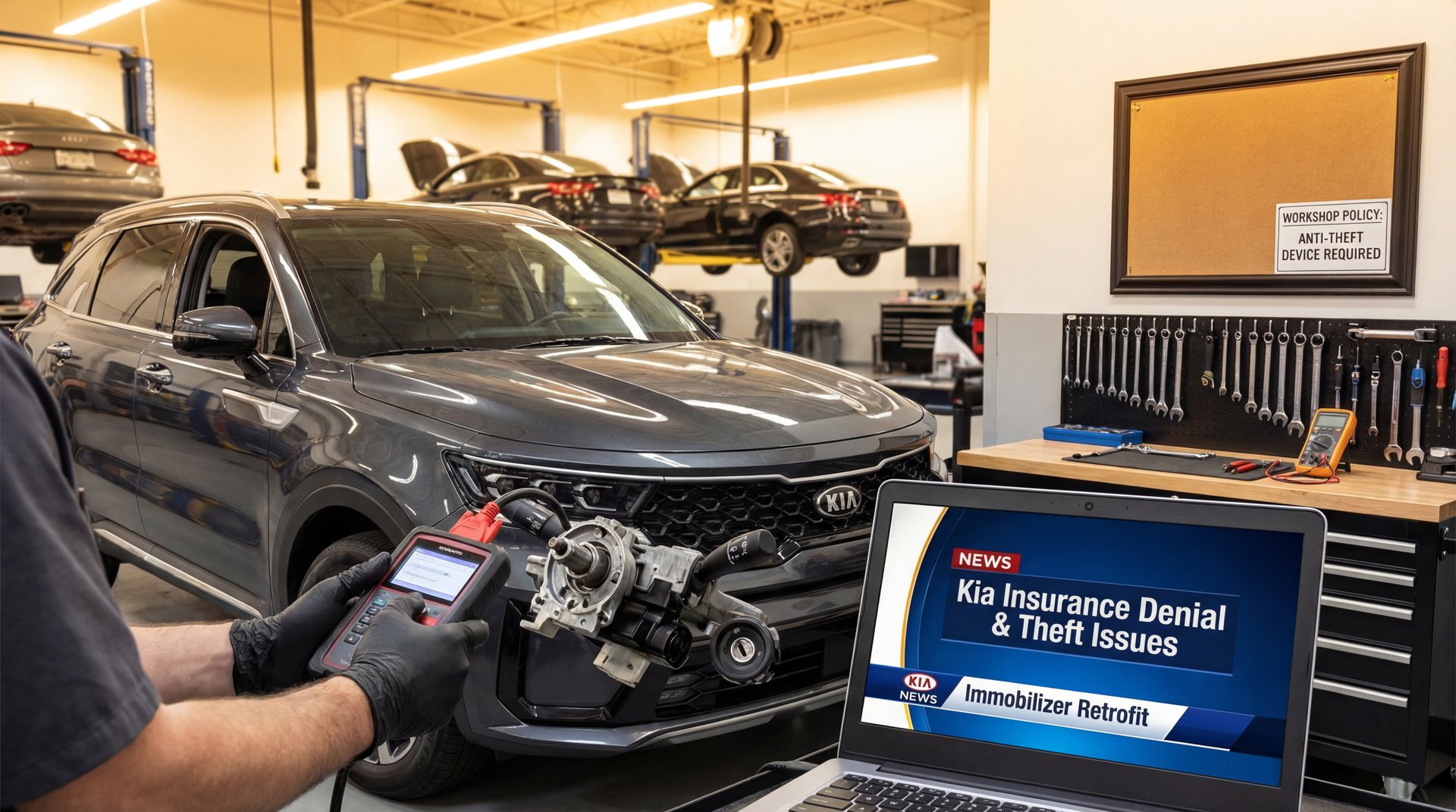
Alright guys, so I’m gonna lay out three major reasons why you should think twice before buying a Kia. And look, I’m not just trying to bash Kia here – these are real issues that affect real owners every single day. We’re talking about insurance companies refusing to cover these vehicles, theft problems that are absolutely out of control, and some pretty serious safety concerns that keep piling up. The thing is, these aren’t just minor inconveniences – they’re deal-breakers that could cost you thousands of dollars or worse. So let’s dive into what’s actually going on with these vehicles.
Insurance Companies Are Refusing to Cover Kias
So reason number one is probably the most immediate problem you’re gonna face – insurance companies straight up won’t insure these vehicles in some areas. And I’m not talking about just charging you a little bit more. I’m talking about flat-out denials.
Now, you might be wondering why insurance companies are doing this. Well, it all comes down to the numbers, and the numbers are bad. Real bad. According to data from the Highway Loss Data Institute, affected Kia and Hyundai vehicles without immobilizers had a theft claim rate of 2.18 per 1,000 insured vehicles versus just 1.21 for the rest of the industry.
The thing is, when insurance companies see theft rates like that, they start losing money fast. We’re talking about roughly 7 to 9 million Hyundai and Kia vehicles in the U.S. that are sitting ducks for thieves. In some cities like Syracuse and Monroe County, New York, Kias and Hyundais made up more than half of all stolen vehicles in 2023. Half!
So when you go to get insurance on one of these vehicles, especially if you’re in a high-theft area, don’t be surprised if you get turned away or quoted prices that are absolutely insane. Some owners are paying two or three times what they should be paying – if they can get coverage at all.
The 30-Second Theft Problem
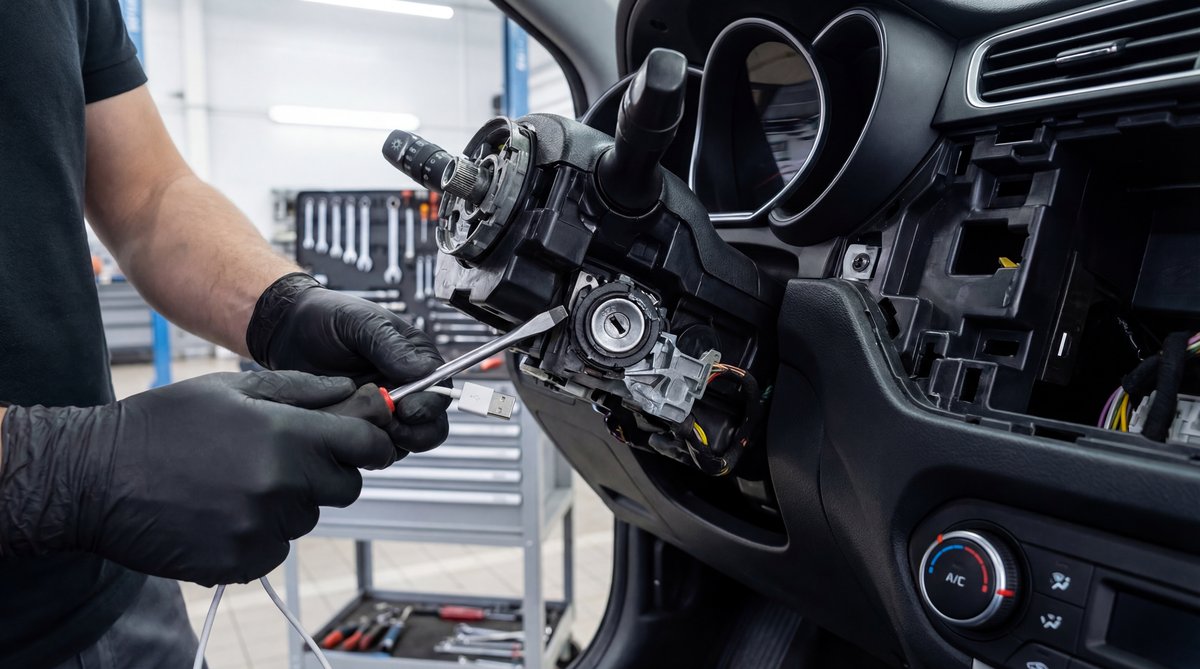
Alright, so reason number two is the whole reason insurance companies are running away from these cars – they only take about 30 seconds to steal. I’m not exaggerating here. We’re talking half a minute from walking up to the car to driving away in it.
Here’s what’s going on. Between 2011 and 2022, Kia and Hyundai decided to sell millions of vehicles without a basic security feature called an engine immobilizer. Now, pretty much every other manufacturer was putting immobilizers in their cars – we’re talking 96% of other brands had them by 2015. But Kia? Only 26% of their vehicles had this basic theft protection.
⚠️ Warning
If you own a 2011-2022 Kia with a key-start ignition (not push-button start), your vehicle is likely affected by this vulnerability. These are the exact models thieves are targeting.
An immobilizer is basically a chip in your key that talks to the car’s computer. No chip signal, no start – it’s that simple. But without one, all a thief needs to do is pop the steering column, access the ignition cylinder, and boom – they can start the car with a USB cable or a screwdriver. That’s it. No fancy tools, no special skills required.
The most commonly stolen models in early 2025 show you how bad this is – the Kia Optima ranked #6 with 6,011 thefts and the Kia Soul came in at #10 with 4,380 thefts. And this is AFTER the fixes started rolling out. Imagine how bad it was before.
When a car can be stolen in 30 seconds with a USB cable, you don’t have a vehicle – you have a community loaner program for criminals.
How TikTok Made Everything Worse
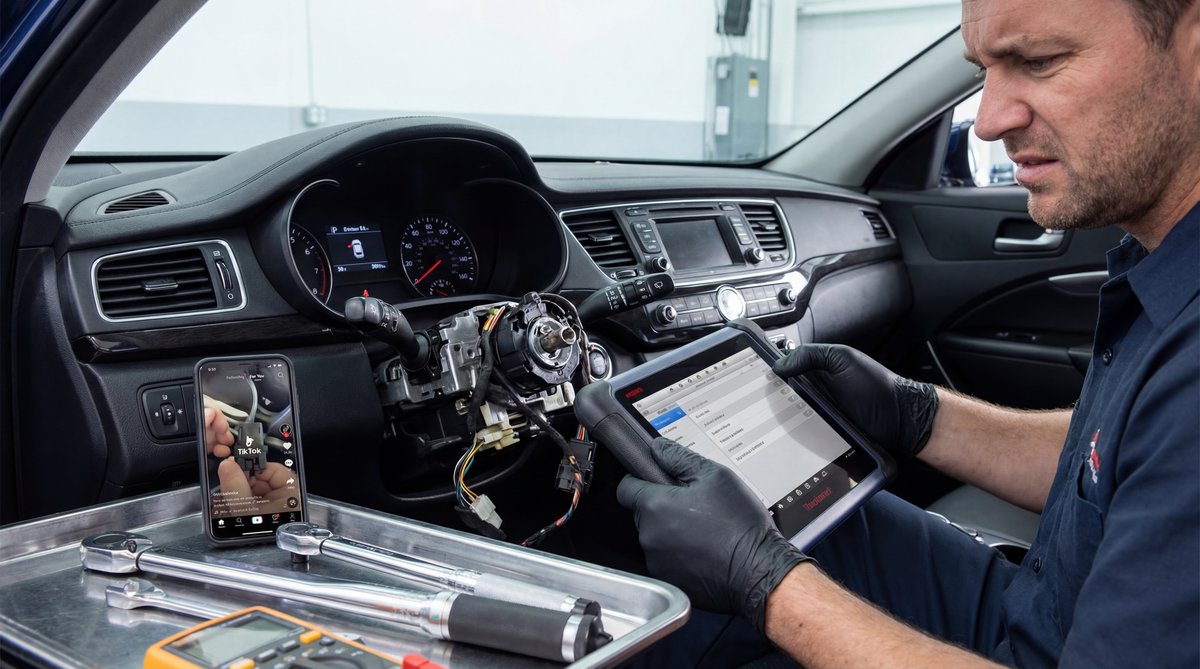
Now here’s where things get really crazy. The whole theft problem basically went viral thanks to TikTok. There was this “Kia Challenge” that spread like wildfire, showing teenagers and young adults exactly how to steal these vehicles step-by-step. We’re talking millions of views on these videos.
What started as a stupid internet trend turned into a full-blown crime wave. Kids who’d never stolen a car in their lives were suddenly out there taking Kias for joyrides. And because social media spreads information so fast, the problem exploded overnight in cities across the country.
But here’s the really disturbing part – these stolen vehicles weren’t just being taken for joyrides. According to Attorney General reports from multiple states, stolen Kias and Hyundais were being used in other crimes – robberies, shootings, even fatal crashes. A 16-year-old in a stolen Hyundai killed two teenage passengers in Washington Heights. In Syracuse, stolen Kias were tied to a fatal shooting of two teenagers.
❌ Common Mistake
Never confront someone trying to steal your vehicle. These thefts happen so fast that by the time you notice, the thief is already in the car. Call law enforcement immediately and keep your distance – your safety is worth more than any vehicle.
So basically, social media turned a design flaw into a public safety crisis. And if you own one of these vehicles, you’re not just at risk of losing your car – you’re at risk of your car being used in violent crime before you even know it’s gone.
The Anti-Theft Fix That’s Coming Too Late
Alright, so Kia and Hyundai finally decided to do something about this mess. After massive settlements with attorneys general from 35 states and the District of Columbia totaling around $9 million, they agreed to fix the problem. But here’s the thing – it’s way too little, way too late.
The companies are rolling out two different fixes depending on your vehicle. For some models, there’s a software update that dealers can install for free. This update changes the alarm and ignition logic to make the car harder to steal using that USB trick. For other models – we’re talking about more than 4 million vehicles from 2011 to 2022 – they’re installing a zinc-reinforced sleeve over the ignition cylinder on the steering column.
Now, this hardware fix is supposed to prevent thieves from removing the ignition cylinder and hot-wiring the car. According to the settlement details, owners will be notified starting in early 2026 and will have until March 2027 to get the fix installed at dealers for free.
But here’s my problem with all this – we’re in 2025 right now, and this problem started going viral in 2022. So you’re telling me that owners have had to deal with three-plus years of their cars being sitting targets while Kia and Hyundai dragged their feet? And even with the fixes rolling out, we still saw the Optima and Soul in the top 10 most stolen vehicles list for early 2025.
🔧 Pro Tip
If you own an affected Kia, don’t wait for the official notification. Call your local dealer now and ask if your VIN qualifies for the free anti-theft upgrade. The sooner you get it done, the better. In the meantime, invest in a good steering wheel lock – it’s not perfect, but it adds another layer of deterrence.
And here’s another thing – this is NOT a DIY fix. I know a lot of you guys like to wrench on your own vehicles, but this particular repair involves steering column components and ignition parts that are dealer-only with OEM procedures. You mess with the steering column near airbag wiring without knowing what you’re doing, and you’re asking for trouble. Let the dealer handle this one.
Fire Risks and Safety Recalls Keep Piling Up
And now we get to reason number three, which is honestly a doozy. On top of the theft nightmare and the insurance problems, Kia has been hit with a bunch of serious safety recalls – including some that involve fire risks.
One of the big ones that really caught my attention was the Telluride recall affecting about 460,000 SUVs over a fire risk. And get this – Kia told owners to park outside until they could get the fix done. When a manufacturer tells you to park your vehicle outside away from your house, that’s when you know it’s serious.
Then there’s the recall for over 80,000 electric and hybrid Kia vehicles over airbag issues. We’re talking about critical safety equipment that’s supposed to protect you in a crash, and it’s not working right.
⚠️ Warning
If you own a Kia Telluride or any Kia EV/hybrid, check your VIN immediately for open recalls. The fire risk recall specifically requires parking outside until the fix is complete – do not ignore this warning.
But here’s what really gets me – remember those stolen Kias we talked about? Well, some of those vehicles were involved in fatal crashes. We’ve got teenagers dying in high-speed crashes in stolen Kias. We’ve got innocent people getting killed when stolen Kias run red lights or crash during police chases. So you’ve got the theft problem creating additional safety issues on top of the manufacturing defects.
The thing is, when you combine all these factors – the theft vulnerability, the insurance problems, the recalls, and the downstream safety issues – you’re looking at a vehicle that’s become a liability more than an asset. And that’s before we even talk about resale value, which has absolutely tanked on these affected models.
A car shouldn’t come with the job of constantly worrying about whether it’ll be stolen, catch fire, or get you dropped by your insurance company.
Look, I get it – not every single Kia is affected by all of these problems. If you’ve got a newer model with push-button start and an immobilizer, the theft issue probably doesn’t apply to you. And not every model year has recall issues. But the point is, these aren’t isolated incidents. We’re talking about millions of vehicles and patterns of problems that keep showing up.
So when you put it all together – insurance companies refusing coverage, 30-second theft times, TikTok challenges turning car theft into a viral trend, delayed fixes that still aren’t fully rolled out, fire risks, airbag problems, and fatal crashes – you can see why I’m telling you to think real hard before buying one of these vehicles.
Frequently Asked Questions
What are the main reasons for the high theft rates of Hyundai and Kia vehicles?
The main reason is that 2011-2022 Hyundai and Kia models with key-start ignitions were sold without engine immobilizers – a basic anti-theft feature that 96% of other manufacturers included by 2015. Only 26% of Kias had immobilizers during this period. Without this technology, thieves can access the ignition cylinder and start the vehicle with a USB cable or screwdriver in about 30 seconds. The problem got exponentially worse when the theft method went viral on TikTok as the “Kia Challenge,” spreading step-by-step instructions to millions of viewers.
How effective are the anti-theft upgrades being implemented by Hyundai and Kia?
The effectiveness is still being tested in real-world conditions. The fixes include two approaches: a software update that changes alarm and ignition logic for some models, and a zinc-reinforced sleeve installed over the ignition cylinder for over 4 million vehicles. While these upgrades should reduce theft rates, the fact that Kia Optima and Soul still ranked in the top 10 most stolen vehicles in early 2025 – after fixes began rolling out – shows the problem isn’t completely solved yet. The fixes are being installed for free at dealers under a settlement agreement.
What specific measures are being taken to protect Hyundai and Kia vehicles from theft?
Hyundai and Kia agreed to spend over $500 million on fixes as part of a multistate settlement. For eligible 2011-2022 vehicles, dealers will install either a software security upgrade or a physical zinc-reinforced sleeve over the steering column ignition cylinder. Owners scheduled to receive hardware upgrades will be notified starting in early 2026 and have until March 2027 to get the free installation. In the meantime, owners are strongly encouraged to use steering wheel locks and park in well-lit areas or garages. Contact your dealer with your VIN to check eligibility now rather than waiting for notification.
How have social media trends influenced car theft rates for Hyundai and Kia?
Social media, particularly TikTok, turned a known vulnerability into a nationwide crime epidemic. The “Kia Challenge” videos showed teenagers and young adults exactly how to steal these vehicles step-by-step, with some videos getting millions of views. This caused theft rates to explode seemingly overnight – Minneapolis saw an 836% increase in Hyundai/Kia thefts from 2021 to 2022. What was previously knowledge limited to experienced car thieves became accessible to anyone with a smartphone, dramatically expanding both the number of thieves and the geographic spread of the problem.
What are the common methods thieves use to steal Hyundai and Kia vehicles?
The most common method targets 2011-2022 models with key-start ignitions and no immobilizer. Thieves break a window or force the door lock, then remove the steering column cover to access the ignition cylinder. Because there’s no immobilizer chip to verify, they can either remove the cylinder entirely or use a USB cable or screwdriver to physically turn the ignition mechanism and start the vehicle. The entire process takes roughly 30 seconds with no sophisticated tools required. This is why the problem became so widespread – the barrier to entry for stealing these vehicles is extremely low compared to other makes and models.